Digital marketers know that mastering Google Ads optimization can dramatically transform advertising performance. With Google controlling 89.74% of the global search engine market, understanding advanced PPC campaign management techniques becomes crucial for businesses seeking competitive advantages.
Smart advertisers recognize that successful ad strategies go beyond basic campaign launches. The landscape of digital advertising demands strategic feature adoption and nuanced understanding of Google’s powerful automation tools.
Our comprehensive guide reveals seven hidden Google Ads features that can elevate your ad ROI and help you outperform competitors who are only scratching the surface of what’s possible.
Key Takeaways
- Discover advanced Google Ads optimization techniques
- Learn how to leverage hidden platform features
- Improve PPC campaign management efficiency
- Unlock potential for higher advertising performance
- Navigate complex digital advertising strategies
Set Up Proper Conversion Tracking for Campaign Success
Conversion tracking is key to successful Google Ads campaigns. Shockingly, 42.3% of Google Ads accounts don’t track conversions well. This mistake can hurt your ad performance and how you spend your budget.
Digital marketers need to know that not all conversions are the same. The quality of your conversion signals affects how well your campaigns do and how they learn from data.
Understanding High-Quality Conversion Signals
High-quality conversion signals are more than just clicks or page views. They show real business success:
- Completed purchases
- Form submissions with verified contact information
- Qualified lead interactions
- Phone calls from potential customers
Avoiding Common Conversion Tracking Mistakes
Marketers often make tracking mistakes that mess up their data. Common errors include:
- Tracking submit button clicks instead of actual form submissions
- Monitoring thank you page views rather than purchase events
- Using direct email links instead of proper form tracking
Implementing Third-Party Call Tracking Solutions
Standard Google Ads call tracking has its limits. Third-party solutions like CallRail offer detailed insights across various traffic sources. They help you catch every valuable conversion.
Getting conversion tracking right changes your Google Ads game. It lets you optimize better and get the most out of your ads.
Leverage Advanced Audience Targeting with Observation Mode

Digital marketers can gain valuable insights with Google Ads’ observation mode. This tool helps in targeting the right audience for ads. It lets advertisers see how different groups react to ads without hiding them.
Using observation mode gives a big edge in managing PPC campaigns. It lets you analyze audience behavior in detail. This way, you can target your ads more effectively based on what people search for and what they’re interested in.
- Collect performance data across different audience segments
- Maintain full ad reach while gathering critical insights
- Prepare for strategic bid adjustments without limiting exposure
Setting up observation mode is easy:
- Navigate to your campaign settings
- Select Audiences from the menu
- Click the +Audience button
- Choose “Observation (recommended)” option
- Select desired audience segments
With observation mode, you can make smarter choices for your ads. For example, you might find that certain groups are more likely to buy from you. This lets you focus your ads better and save money.
But, not all bid changes work with every automated strategy. Always check Google’s guidelines to keep your campaign running smoothly.
Unlock the Power of Performance Max Campaigns
Google’s Performance Max campaigns are a game-changer in digital ads. They let advertisers boost their search ad performance on many networks. This new way of advertising uses advanced machine learning.

With Performance Max, advertisers can show ads everywhere Google is. This makes managing ads easier and could lead to better ad results.
How Performance Max Navigates Google’s Networks
These campaigns work well on many platforms, including:
- Search networks
- Display advertising
- YouTube
- Discovery channels
- Google Maps
- Gmail
Strategic Asset Setup for Automated Advertising
To make a Performance Max campaign work, you need to prepare your assets well. Advertisers should have:
- Multiple headline variations
- Diverse description texts
- High-quality images and videos
- Consistent brand logos
Having a wide range of assets helps Google’s algorithm create better ads. It uses machine learning to find the best ad combinations. This way, ads are more likely to grab customers’ attention.
Even with automation, setting up Performance Max campaigns needs strategy. Businesses looking for the best results might want to work with digital marketing experts. They can help tweak the campaign and choose the right assets.
Google Ads Optimization Through Smart Bid Strategy Selection
Understanding keyword bidding strategies is key to digital ad success. The right bidding approach can boost ad spend efficiency and drive results.

Digital marketers must pick the best bidding strategy for their goals. Knowing the different bidding options can greatly improve ad results.
Choosing Between Click-Based and Conversion-Based Bidding
Not all bidding strategies are created equal. Here’s a quick look at the main types:
- Click-based strategies: Treat all clicks as equal
- Conversion-based strategies: Focus on customer actions
- Value-based strategies: Aim for the best conversions
Click-based strategies, like Manual CPC, are good for new campaigns. But, it’s wise to move to more advanced methods that use machine learning soon.
When to Upgrade to Value-Based Bidding Strategies
Value-based bidding is the top choice for keyword strategies. It focuses on:
- Finding high-value conversion chances
- Improving ad spend efficiency
- Targeting the most profitable customers
Marketers should switch to value-based bidding when they get at least one daily conversion. This method allows for precise targeting and better ROI.
Improve Campaign Efficiency with Negative Keywords and Search Partners Settings
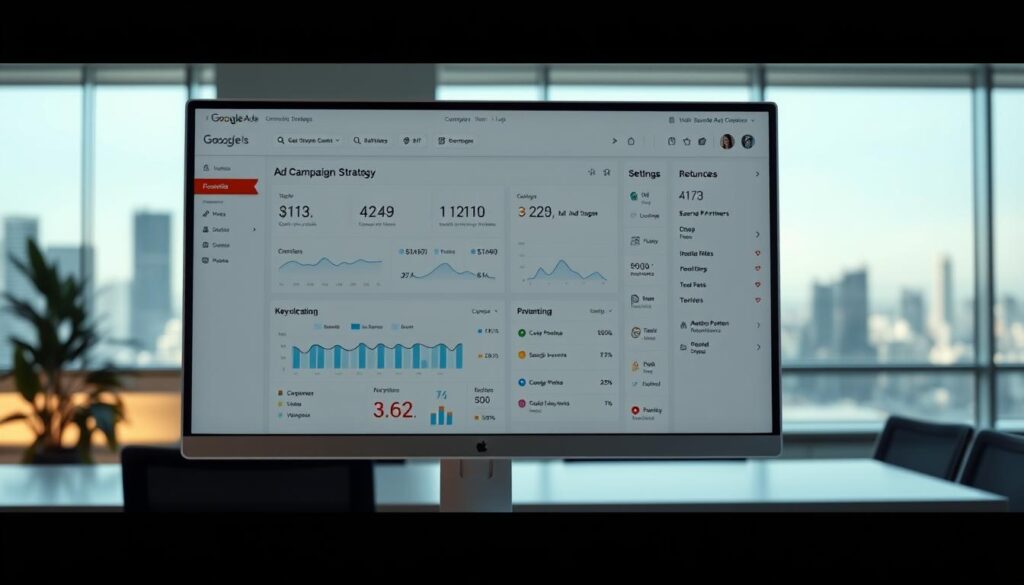
To boost your Google Ads Quality Score, focus on managing negative keywords and network settings. Many advertisers miss out on these key strategies. They can cut down on wasted ad spend and boost campaign results.
Negative keywords are a strong tool to block unwanted search queries. They keep your ads from showing up for terms you don’t want. This helps keep your click-through rate high and your campaign focused.
- Block low-quality search phrases
- Prevent ads from appearing alongside inappropriate content
- Improve ad targeting and relevance
- Reduce unnecessary advertising expenses
When making negative keyword lists, think about different variations:
- Plurals and synonyms
- Offensive or inappropriate terms
- Competitor brand names
- Low-intent search phrases
Settings for Search Partners and the Display Network can also affect your campaign’s efficiency. By default, Google includes these network expansions, which might bring in low-quality traffic. Experts suggest turning off these settings to target only high-intent Google search users.
Effective negative keyword management boosts your Google Ads Quality Score. It makes sure your ads show up only for searches that matter. This way, you avoid wasting money and get the most out of your ads.
Conclusion
The seven hidden Google Ads features we’ve explored are powerful tools for digital marketers. They help improve your advertising performance. Google Ads optimization is not just about spending money. It’s about spending smartly to get the most out of your ads.
Each feature has a key role in making your ads more targeted and effective. They help you reach the right customers at the right time. This means your ads are more relevant and likely to convert.
Using these strategies can change how you advertise online. Some might feel it’s too much, but it’s actually easier than you think. Small changes in tracking, targeting, and settings can make a big difference in your ad’s success.
If you want to get the most out of your digital marketing, getting help from experts can be a game-changer. They can guide you through Google Ads optimization. This ensures your campaigns are top-notch and drive real business results.