Digital marketing needs to be precise. Knowing and improving the customer journey is key for businesses to stay ahead. Customer journey automation changes how brands talk to potential customers. It makes experiences smooth, which boosts engagement and sales.
Crowley Media Group knows the strength of planning customer experiences. By seeing each interaction, businesses can make plans that speak to their audience. Automation lets companies tailor interactions, guess what customers need, and make paths to sales smoother.
Today’s shoppers want experiences made just for them, across many digital spots. Using smart customer journey mapping helps brands meet these expectations. It cuts down on problems and improves marketing results.
Key Takeaways
- Customer journey mapping provides strategic insights into user interactions
- Automation enhances personalization and customer engagement
- Data-driven approaches optimize conversion rates
- Multi-channel strategies create cohesive customer experiences
- Continuous journey refinement leads to sustained business growth
Understanding Customer Journey Mapping Fundamentals
Customer journey mapping has changed how businesses plan their marketing. It helps brands see and connect with customers better. This is done by showing each point of interaction.

When businesses really get their customers, their marketing gets better. Mapping shows how customers move through different stages of interaction.
Defining the Customer Journey Map
A customer journey map is more than a simple chart. It’s a detailed picture of a customer’s whole experience with a brand. It includes:
- Emotional touchpoints
- Communication channels
- Potential friction areas
- Key decision-making moments
Business Growth Benefits
Using journey mapping for personalized touchpoints brings big benefits:
- Deeper understanding of customers
- Better targeted marketing
- More efficient use of resources
- Higher conversion rates
Essential Journey Map Components
To make a good journey map, focus on key parts that show the whole customer experience. Data-driven insights help make interactions more meaningful. They also make marketing workflow smoother.
By knowing these basics, companies can plan better for customer engagement. This leads to growth and happier customers.
Customer Journey Automation: Tools and Technologies

Digital businesses are changing how they interact with customers. They use advanced tools to map and analyze customer interactions. This makes customer experiences better than ever.
Modern platforms for customer lifecycle automation have powerful features. They help companies understand how customers move through their journey. These tools use artificial intelligence and data analytics to give insights into what customers like and do.
Key technologies for customer journey automation include:
- AI-powered analytics platforms that track and predict customer engagement
- Intuitive visualization software for comprehensive journey mapping
- Machine learning algorithms that personalize customer interactions
- Real-time data integration systems
When picking journey mapping technologies, businesses should think about:
- How well it works with their current tech
- Its data visualization features
- How it can grow and be customized
- Its reporting and predictive analytics
Using these tools well can make customer experiences much better. It can lead to more engagement and sales across digital channels.
Essential Stages of the Customer Journey
Understanding how customers interact with your brand is key. A good omnichannel marketing strategy breaks the journey into important stages. This helps businesses connect with customers in a meaningful way.
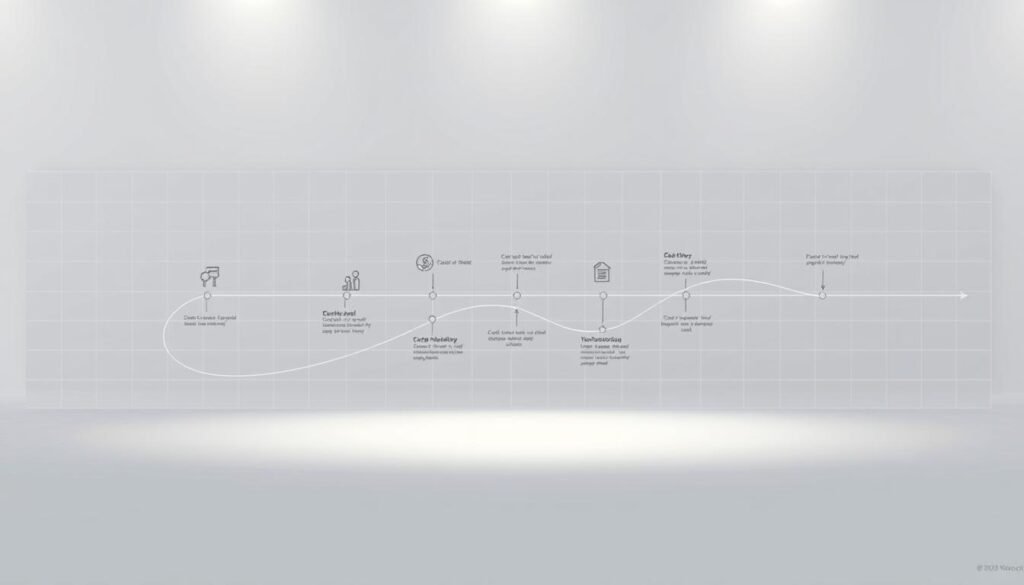
Modern customer engagement platforms give insights into each stage of the customer experience. Let’s look at the main stages for a successful customer interaction:
Awareness and Discovery Phase
This stage is when potential customers first learn about your brand. It involves several key touchpoints:
- Social media advertising
- Content marketing
- Search engine visibility
- Referral programs
Consideration and Evaluation
In this stage, customers compare options and see what you offer. Important strategies include:
- Providing detailed product information
- Offering comparison tools
- Sharing customer testimonials
- Creating educational content
Purchase Decision Making
It’s important to make the purchase process easy. Frictionless transactions and clear paths to buying can boost conversion rates.
Post-Purchase Experience
The journey doesn’t stop after a sale. Building long-term relationships through follow-up and support is key. It keeps customers engaged and can lead to repeat business.
Data-Driven Journey Mapping Strategies
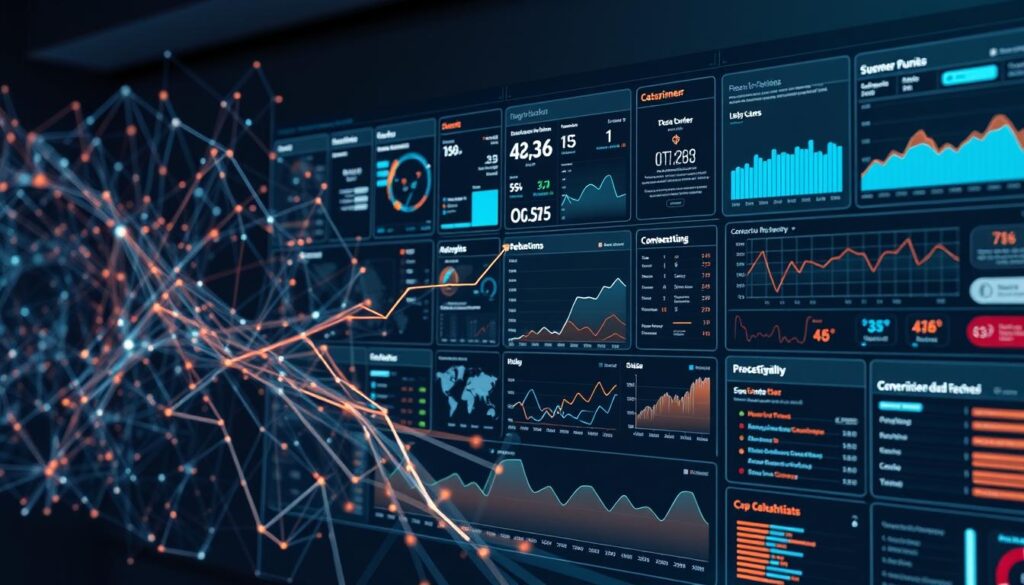
Turning customer data into useful insights is key for better conversion paths. Businesses can find strong strategies by looking closely at how customers interact at different points.
Good automated customer communications start with gathering all the data. Important sources include:
- Website analytics platforms
- Customer relationship management (CRM) systems
- Email engagement metrics
- Social media interaction data
Using data wisely means focusing on important metrics. Tracking conversion rates, engagement times, and user journey progression helps understand how to improve customer experiences.
Today’s tools let businesses track customer behavior in real-time. They can:
- Find and fix issues in customer journeys
- Make communications more personal
- Meet customer needs before they ask
- Keep improving how customers move through their journey
With advanced data analysis, companies can make their customer experiences better. This leads to real growth for the business.
Implementing Cross-Channel Journey Optimization
Digital marketing needs a smooth way to connect with customers on many platforms. Customer journey automation is key for businesses wanting to make experiences that speak to today’s shoppers.
Dealing with the complex world of multi-channel marketing takes smart planning and technology. A strong marketing automation workflow helps brands match messages and experiences on various touchpoints.
Mobile and Desktop Integration
Optimizing customer journeys starts with knowing how people use different devices. Companies need to create plans that:
- Keep the user interface the same on mobile and desktop
- Make content work well on all screen sizes
- Follow how users move between devices
Social Media Touchpoints
Social media is a big chance for businesses to connect with customers. Good customer journey automation means:
- Creating content that fits each social media site
- Using smart ways to talk to customers
- Watching how customers react and feel
Email Marketing Automation
Email is still a strong tool in marketing automation. Important steps include:
- Making emails personal based on what users do
- Splitting email lists for better messages
- Starting email campaigns based on actions
By using these methods, companies can make a unified and dynamic customer journey. This journey changes to fit what each customer likes and does.
Measuring Journey Success and ROI
Measuring your buyer journey’s success is key. You need to track important metrics to see how well your strategy works. Knowing which data points show your business’s growth is crucial.
Important metrics for checking your customer journey include:
- Customer Lifetime Value (LTV)
- Net Promoter Score (NPS)
- Customer retention rate
- Average time between purchases
- Email marketing revenue growth
Using data to improve customer experience is vital. Quantitative metrics give clear numbers. Qualitative feedback helps understand customer happiness and loyalty better.
Advanced analytics turn data into useful plans. With smart tracking, companies can:
- Find and fix journey problems
- Guess what customers will do next
- Make interactions better
- Use resources wisely
Having strong measurement tools helps improve customer service. It’s important to pick metrics that match your goals and give useful insights.
Conclusion
Customer experience mapping is a key part of modern marketing. It helps businesses create personalized touchpoints. This leads to better engagement and loyalty.
This method goes beyond old marketing ways. It gives a full view of the customer’s journey.
Customer journey mapping makes experiences better by connecting them. It’s not just a one-time thing. It’s about always understanding and improving customer interactions.
For better customer experiences, getting help from experts is important. Crowley Media Group offers help in SEO, PPC, AI, and more. They help businesses make the most of their customer journey mapping.
Want to improve your customer experience? Call Crowley Media Group at (916) 572-9755 or visit crowleymediagroup.com. Their team will help you create new, data-driven strategies. These strategies will make customer interactions more meaningful and effective.