Digital marketers face a harsh reality about pay-per-click strategies. Most PPC efforts waste budgets without showing real results. Businesses spend a lot on ads but struggle to turn clicks into sales.
The digital ad world is tough. Small mistakes in PPC can quickly empty marketing budgets. This leaves businesses feeling stuck and wondering where their money went. Smart advertisers know success is about smart spending, not just more spending.
PPC campaigns need to be precise. Every click could mean more money, but without good management, it’s just a waste. Knowing common mistakes is key to making ads that work and bring in money.
Key Takeaways
- Recognize subtle PPC campaign management mistakes quickly
- Understand how small errors compound into significant budget waste
- Learn to transform ineffective campaigns into profitable investments
- Develop data-driven pay-per-click strategies
- Implement strategic oversight to maximize advertising ROI
Starting Your PPC Campaign Management Without Proper Research and Strategy

Starting a pay-per-click (PPC) campaign without a plan is like sailing without a compass. Many advertisers make choices based on feelings, which can quickly use up their budget.
Why Gut Feelings Destroy Your Ad Spending
Using intuition for keyword research can lead to big marketing mistakes. Businesses often pick keywords that sound right but don’t match what people are really searching for. This can cause:
- Targeting the wrong audience
- Spending money on irrelevant clicks
- Not meeting campaign goals
For example, a roofing company bidding on “roof” might attract students instead of people looking for repairs. Good search engine marketing needs a more detailed strategy.
Building a Data-Driven Foundation for Success
To improve your PPC strategy, you need a systematic keyword research process. Professional marketers know that successful campaigns rely on detailed data analysis, not guesses.
- Analyze what competitors are doing
- Learn about your audience’s demographics
- Identify where customers interact with your brand
- Check if keywords match what people are searching for
Tools like Google Keyword Planner and SEMrush offer key insights into search behavior. They help you create targeted campaigns that work. Remember, keyword research is an ongoing effort to get better and better.
Wasting Money on Poor Account Structure and Keyword Targeting
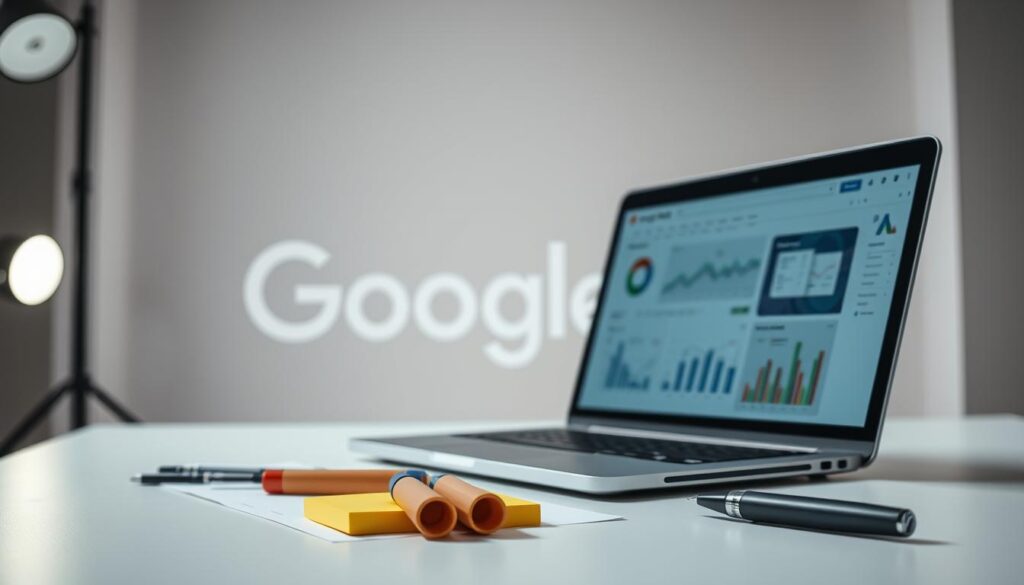
Think of your Google Ads account as a puzzle. A messy setup can quickly empty your budget. The first step in Google Ads optimization is to organize your account well.
Many advertisers make a big mistake by mixing unrelated keywords in one ad group. This messes up Google’s algorithm and raises your cost per click. A clean, logical structure is essential for good bid management automation.
- Keep ad groups tightly themed
- Limit ad groups to 5-15 closely related keywords
- Match ad copy precisely to search intent
Keyword match types are key in controlling your ad spend. Broad match can be a budget killer if not managed well. Phrase and exact match types help you target more accurately, saving you from spending on wrong clicks.
Negative keywords are your secret tool in Google Ads optimization. Make a list to block unwanted searches like:
- Free
- Cheap
- DIY
- Jobs
By using these strategies, you can cut down on wasted ad spend by 30-50%. Bid management tools work best with a clean, organized account. Regular checks and updates are crucial for the best PPC results.
Ignoring Conversion Tracking and Performance Metrics in PPC Campaign Management

Tracking the right metrics is key for successful PPC campaigns. Many advertisers focus on vanity metrics that look good but don’t help the business grow. It’s important to understand PPC performance tracking beyond just click counts.
Setting Up Tracking That Actually Measures Revenue
Effective conversion rate optimization starts with good tracking. Businesses need to look beyond surface-level data. They should focus on meaningful performance indicators.
- Configure Google Tag Manager for flexible tracking
- Set up conversion actions in Google Ads
- Implement Google Analytics 4 for complete user journey tracking
- Use call tracking for phone-based conversions
The goal of PPC performance tracking is to see which keywords, ads, and audiences really drive revenue. Tracking should map the entire customer journey, not just initial interactions.
Moving Beyond Vanity Metrics to Real ROI
Successful digital advertising focuses on metrics that impact business growth. Impressions and click-through rates give limited insights. More meaningful measurements are needed.
- Conversion rate
- Cost per acquisition
- Return on ad spend
- Customer lifetime value
By embracing comprehensive conversion tracking, businesses turn PPC into a data-driven revenue channel. Regular analysis and optimization lead to better digital advertising performance.
Relying Too Heavily on Automation Without Human Oversight

Automation in digital advertising can be both good and bad. Tools like Smart Bidding and Performance Max are efficient. But, they need human oversight to work well.
Understanding what automation can’t do is key. Automated systems can handle lots of data fast. But, they can’t replace the strategic thinking of experienced marketers.
- Automated systems require careful initial setup
- Machine learning needs quality data to make intelligent decisions
- Regular human monitoring prevents potential budget waste
Marketers should be careful with automation. Test automated features gradually. Make sure you have enough data before using them fully. Don’t turn on every setting without thinking about it.
Here are some smart ways to use automation:
- Start with manual bidding to establish baseline performance
- Implement automated features incrementally
- Set up custom alerts to track campaign performance
- Review platform recommendations before auto-applying
Digital advertising ROI gets better when humans guide automation. Automation is like a strong assistant, not a replacement for smart thinking. The best campaigns mix machine power with human insight.
Conclusion
PPC campaign management is not just about avoiding big mistakes. It’s about stopping small errors that waste your marketing budget. Most businesses lose money because of bad ad strategies, poor targeting, and not tracking enough.
To succeed in digital marketing, you need a smart plan. This plan should use data and expert advice. It’s all about making smart choices based on what you know.
Good PPC campaigns need more than just ads. They need constant improvement, the right keywords, and tracking how well they work. With these steps, businesses can really make the most of their online ads.
If you’re not getting the most from your PPC, Crowley Media Group can help. They offer top-notch PPC management. Their team turns your ad spending into real money.
Want to stop losing money and start seeing real gains? Call Crowley Media Group at (916) 572-9755 or check out crowleymediagroup.com for a free PPC check-up. They’ll guide you to turn clicks into customers and ads into growth.