
Digital influencers have changed the marketing world. They’ve created a new way for brands and creators to work together. This new world is always changing, pushing old ways of advertising aside.
Brands are learning that good influencer marketing isn’t just about having lots of followers. It’s about finding the right partners who speak to the right people. With over 415,000 brands using digital influencers worldwide, finding true connections is harder than ever.
To succeed in influencer marketing, you need a deep understanding of the field. Not every campaign works, and smart marketers know what makes a difference. They look beyond just numbers to find what really works.
Key Takeaways
- Influencer marketing requires strategic, authentic partnerships
- Follower count doesn’t guarantee campaign success
- Relevance matters more than reach
- Digital influencers can provide targeted audience engagement
- Successful campaigns align brand values with creator authenticity
Understanding Influencer Marketing and Why It Matters
The digital marketing world has changed a lot. Influencer marketing is now a key way for brands to connect with people. It’s different from old-school ads because it uses social media to talk to customers.

Today, people, especially the young, want real talk. They don’t want to just listen to ads. They look for advice from people they know and trust. This has made brand partnerships feel more real and trustworthy.
The Shift from Traditional Advertising to Authentic Partnerships
Now, finding the right audience is more complex. Influencers help connect brands with people. They offer big benefits:
- Genuine product recommendations
- Targeted reach within specific niches
- Higher engagement rates compared to traditional ads
- Enhanced credibility through personal storytelling
How Millennials Changed the Marketing Landscape
Millennials have led the change in marketing. They’re skeptical of corporate messages. This has made brands rethink how they talk to people.
By using influencer marketing, companies can build stronger bonds. They turn passive viewers into loyal fans with real, relatable content.
When Influencer Marketing Works: The Key Success Factors

Successful influencer marketing isn’t just luck. It’s about careful planning and knowing what works. Top brands know that measuring ROI is more than just counting followers. The real success comes when the content strategy matches the audience’s true interests.
Engagement rates reveal more than just numbers. Brands should look for influencers who spark real conversations, not just views. A micro-influencer with 10,000 engaged followers might do better than a famous person with millions who don’t interact.
- Prioritize genuine alignment between brand values and creator’s personal brand
- Focus on high-quality engagement over vanity metrics
- Develop long-term partnerships instead of one-off posts
- Allow creators to maintain their authentic voice
The best campaigns use creators who naturally fit the product into their content. When an influencer truly believes in a brand, their audience feels it. This turns marketing into a trusted recommendation, not just a sale.
Smart marketers know that great influencer partnerships need careful choice, clear talk, and respect. With a solid content creator strategy, brands can tap into marketing power that speaks to today’s consumers.
Common Pitfalls: When Influencer Campaigns Fall Flat
Influencer marketing can go wrong if brands make big mistakes. Not every partnership works out, and knowing the pitfalls is key for good digital marketing.

Misaligned Brand and Influencer Partnerships
Choosing the wrong influencer is a big risk. Brands often focus on how many followers an influencer has. But they forget to check if the influencer really fits their brand.
- Demographic mismatch between influencer’s audience and brand
- Conflicting brand values or messaging
- Lack of authentic connection to the product
For instance, a tech company teaming up with a fashion influencer might not work. The audience might not be interested in the product, making the campaign a failure.
The Dangers of Over-Scripted Content
When brands control influencer content too much, it loses its authenticity. People can tell when something is fake.
- Avoid generic, AI-generated scripts
- Trust the influencer’s creative process
- Allow natural product integration
Good partnerships are built on real stories. When influencers naturally include a product in their content, it gets more attention.
Choosing the Right Influencer: Reach vs. Relevance
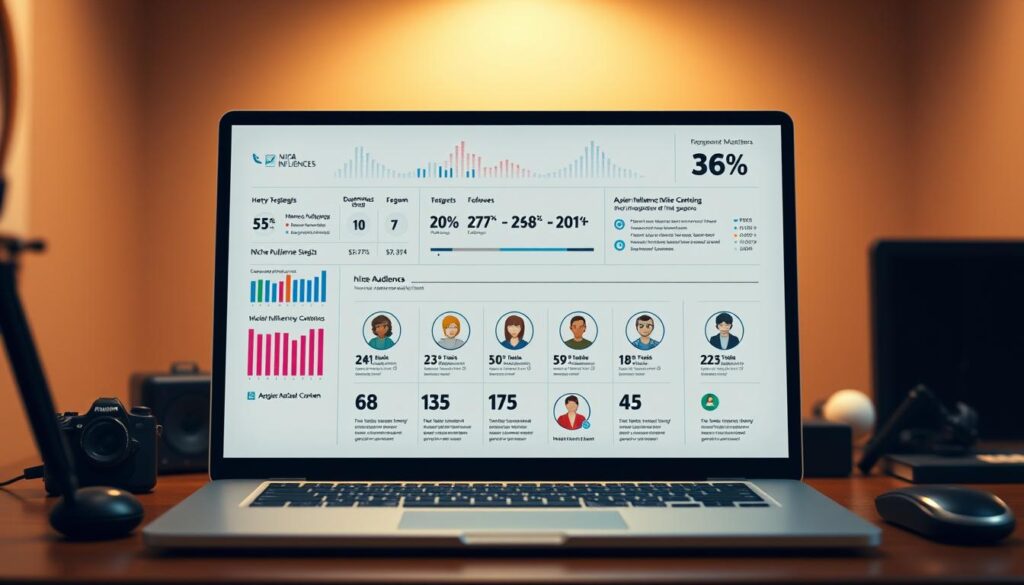
Not all influencers are the same. Big follower counts might look good, but smart brands know better. They see that micro-influencers often give stronger marketing results than big names.
Choosing the right influencer is all about targeting the right audience. Brands need to look beyond just how many followers someone has. They should focus on:
- Demographic alignment
- Engagement quality
- Content authenticity
- Audience relevance
Micro-influencers usually have higher engagement because their content feels real and close to home. For example, a beauty brand might sell more through 20 targeted micro-influencers making real tutorials. This beats one big celebrity posting a single ad.
When picking influencers, think about these important things:
- Audience demographics
- Follower interests
- Content style compatibility
- Genuine audience connection
The main rule is: Know the audience behind the influencer, not just the influencer themselves. Good audience targeting means finding creators whose followers are a perfect match for your brand.
Conclusion
Influencer marketing has become a key digital strategy for brands. It helps them connect with their audience in real ways. Social media collaboration is more than a trend; it’s a way to build trust and get people involved.
Choosing the right influencers is crucial for successful campaigns. They must share your brand’s values and speak your brand’s voice. Today’s consumers can spot fake partnerships easily. So, brands need to find influencers who truly represent their message.
For better digital marketing, getting professional help is important. Crowley Media Group offers strategies that use SEO, PPC, AI, and automation. Their team can turn challenges into chances for growth.
Want to make the most of influencer marketing? Reach out to Crowley Media Group at crowleymediagroup.com or call (916) 572-9755. They’ll help you create a plan that turns social media partnerships into real business wins.