Sales experts face a big challenge: turning leads into paying customers. Old ways of following up often miss chances and cost money. But, lead follow-up automation is a game-changer for businesses wanting to improve their sales.
Crowley Media Group knows that a good automated sales pipeline can change how companies reach out to customers. With smart tech, businesses can make sure no lead is missed and every chance gets the right attention.
Today’s sales teams need new ways to stay ahead. Automated follow-up workflows offer a way to connect with prospects, track talks, and build relationships without always needing to do it manually. This lets sales people do more important work while keeping in touch with potential clients.
Key Takeaways
- Automated follow-up workflows reduce manual sales tasks
- Lead follow-up automation increases conversion potential
- Systematic engagement improves prospect relationships
- Technology enables more efficient sales processes
- Personalized communication drives better sales outcomes
Understanding the Power of Sales Follow-Up Automation
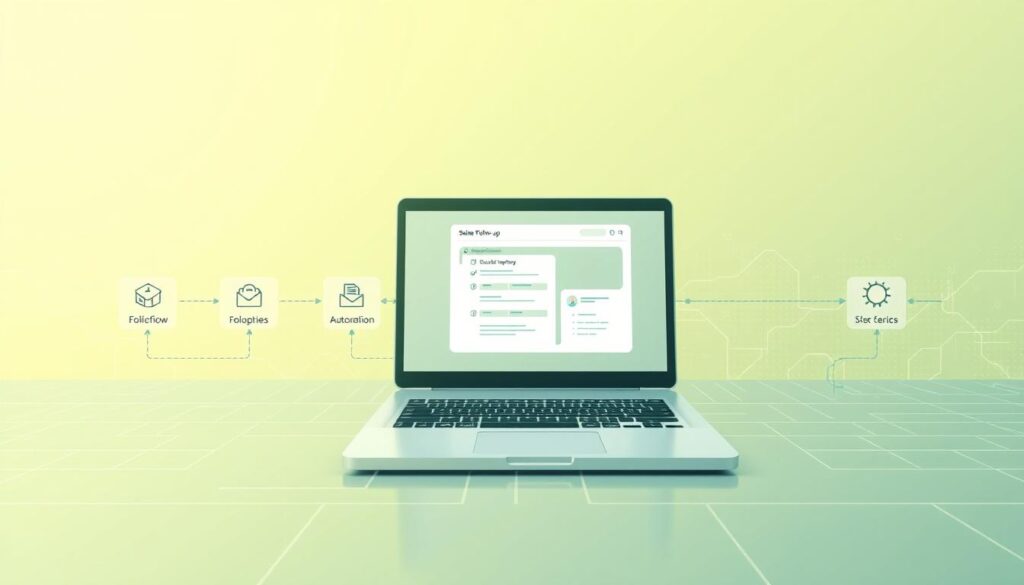
Today’s sales teams need to turn leads into customers fast. CRM lead tracking is key for making sales processes smoother and boosting success rates.
Sales automation changes how teams talk to customers. McKinsey found that it can make teams 30% more productive.
The Impact of Follow-Up on Sales Conversion
Good follow-up can really help sales. Email drip campaigns help keep potential customers engaged with timely messages.
- Reduce response time to leads
- Maintain consistent communication
- Personalize customer interactions
Common Follow-Up Challenges for Sales Teams
Sales teams often face problems with manual follow-ups. Time constraints and not tracking well can cause missed chances and lower success rates.
- Manual data entry
- Tracking multiple lead interactions
- Managing communication schedules
Why Traditional Follow-Up Methods Fall Short
Old sales methods can’t keep up with automated systems. CRM lead tracking helps teams track and use important data better, changing how they engage with customers.
Using email drip campaigns and smart automation, companies can make their messages more relevant and effective.
Lead Follow-Up Automation: The Game-Changer for Sales Teams
Sales teams are seeing big changes with lead nurturing software. It makes talking to customers easier. Automated follow-ups are key for businesses wanting to sell more and get better results.

Today’s sales tools are changing how companies talk to potential customers. They let businesses create smart, flexible plans that match each lead’s actions.
Key Components of Automated Follow-Up Systems
Good automated follow-up systems have a few main parts:
- Intelligent email sequencing
- Behavior-triggered actions
- Personalized content delivery
- Real-time lead scoring
Benefits of Automated Lead Nurturing
Lead nurturing software brings many benefits to sales teams:
- It makes managing leads more efficient
- It keeps communication steady across different channels
- It helps qualify leads better
- It boosts conversion rates
Integration with Existing CRM Systems
Today’s sales tools work well with current CRM systems. This integration makes sure data flows smoothly and tracks leads well. It helps sales teams make quick, informed decisions.
Using automated follow-up tech, businesses can change their sales game. They can offer more personalized and timely customer experiences.
Building Effective Follow-Up Sequences
Making strong follow-up sequences is key for good customer engagement. Sales teams can boost their conversion rates by planning out the customer’s buying journey. This helps guide them step by step.
Creating a good follow-up sequence needs careful planning and smart design. The aim is to make each customer feel like they’re getting a personalized service. It should be quick to respond to their specific needs.
- Welcome series for new leads
- Abandoned cart recovery campaigns
- Post-purchase nurturing sequences
- Re-engagement workflows for inactive customers
Optimizing follow-up sequences means knowing how customers act and making messages that hit the mark. By dividing audiences and customizing messages, businesses can get more people involved. This leads to deeper, more meaningful talks.
- Analyze customer interaction data
- Create dynamic content templates
- Set precise timing intervals
- Implement automated trigger mechanisms
Today’s customer engagement tools make it easier to set up follow-up workflows. These tools track how customers interact, make messages personal, and check how well sequences work with detailed analytics.
Pro tip: Always test and improve your follow-up sequences. This keeps them working well and keeps up with what customers want.
Personalizing Automated Communications for Higher Engagement
To boost your lead conversion system, you need a smart plan for personalized messages. Today’s sales teams know that generic messages don’t cut it anymore.

Good personalization is more than just using someone’s name. It’s about making messages that really speak to each customer’s specific needs and problems.
Segmentation Strategies for Better Results
Great lead conversion systems use smart audience grouping. By sorting leads by certain criteria, you can send messages that hit the mark:
- Demographic info
- Industry type
- How they’ve interacted with you
- What they’ve bought before
Timing and Frequency Optimization
When it comes to automated messages, timing is everything. Smart timing can really boost how well people respond. Look at how your leads interact to find the best times to reach out.
Content Customization Techniques
Build a strong lead conversion system with these content tweaks:
- Use what leads do to change content
- Make messages for specific types of customers
- Let content adapt based on what leads do
- Use AI to suggest the best content
By using personalized, data-driven messages, sales teams can do a lot better at converting leads. They can also build stronger connections with their customers.
Measuring and Optimizing Follow-Up Performance
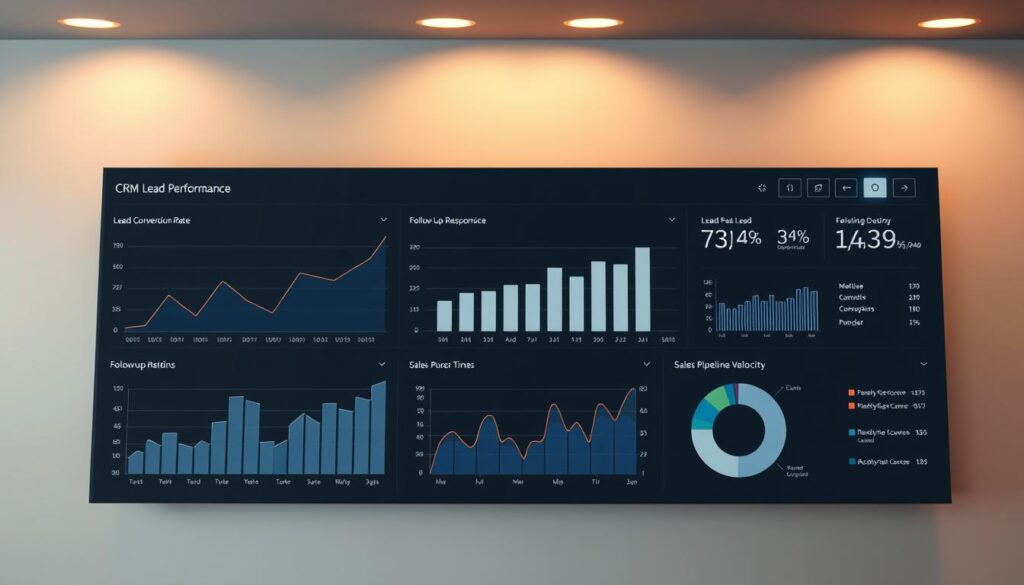
Tracking performance is key for any lead conversion system. Businesses must have a plan to check and boost their follow-up workflows. CRM lead tracking gives deep insights into how potential customers interact with your sales process.
Important metrics to watch in your lead conversion system include:
- Open rates for follow-up emails
- Click-through rates on communication materials
- Response times from initial contact
- Conversion rates across different communication channels
Improvement through data analysis is essential. Sales teams should try A/B testing to see which follow-up strategies work best. Testing different messages, times, and ways to communicate can greatly boost engagement.
Today’s CRM lead tracking tools offer advanced analytics. They help businesses understand their sales funnel. By looking at detailed metrics, companies can spot problems, make communication smoother, and create more focused follow-up sequences.
Keeping things moving is vital for a good lead conversion system. Regular reviews and smart changes ensure your follow-up workflows stay fresh and meet customer needs.
Conclusion
Lead follow-up automation is changing the game for businesses. It makes sales processes smoother and more efficient. With the right tech, companies can see big improvements in how many deals they close.
The secret to success is using tech and human touch together. Advanced tools help sales teams do more with less time. They keep in touch with leads without getting too busy.
Ready to change your sales game? Crowley Media Group is here to help. They create custom plans that fit your business perfectly. With their skills in SEO, PPC, AI, and automation, they can help you reach new heights.
Ready to update your sales strategy? Reach out to Crowley Media Group. See how smart automation can boost your lead engagement and grow your business.